
🟢 Salesforce is going nowhere
There's been quite a commotion among legacy software companies like Salesforce and Oracle, with huge market-cap drops last week after some resounding announcements of new AI capabilities. Mostly, this is overblown. Here's why...

AI hype engine vs. reality
The recent market correction for enterprise software companies like Salesforce, Oracle, and other SaaS leaders tells a familiar story: AI will disrupt everything, legacy businesses are doomed, and it's only the beginning. Sure.
On paper, if AI can write code and produce tailor-made apps and digital workflows on the cheap, why would anyone need Salesforce, its cloud infrastructure, IT staff, and R&D anymore?
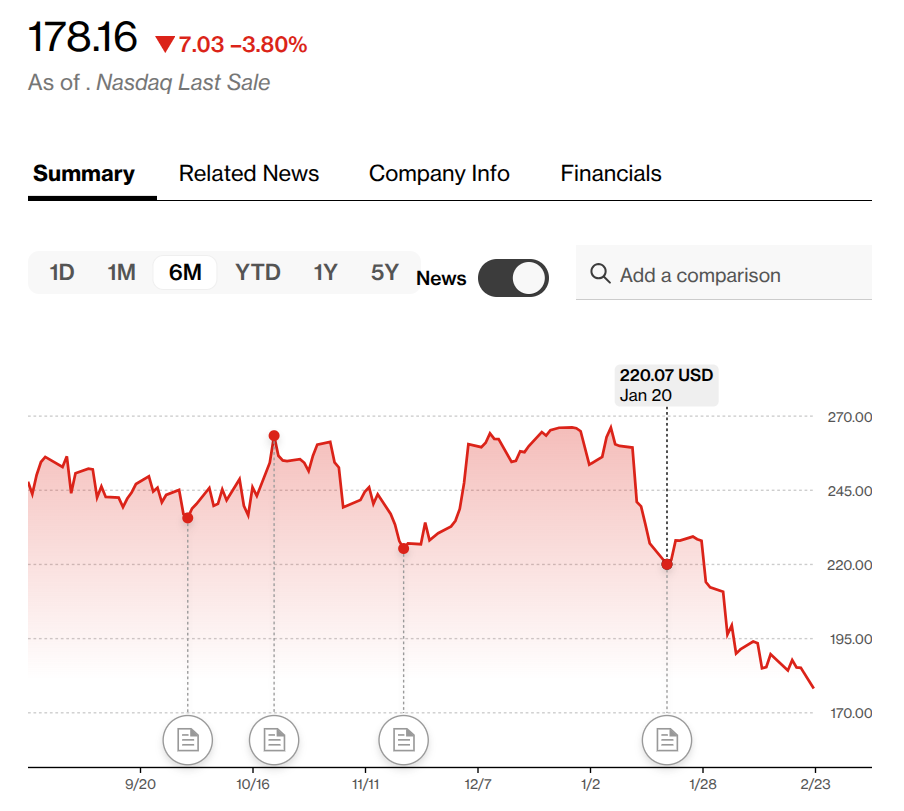
To begin with, if yes, technically speaking, it's theoretically possible for AI to generate code that mimics Salesforce's interface and core functionality, the gap between "technically possible" and "will actually happen" is where reality lives. The truth is far less dramatic: enterprise software incumbents aren't going anywhere, and the market's pessimism is largely overblown.
The technical fallacy
Let's start with the most obvious point: current AI systems, including sophisticated large language models, are powerful tools for code generation and automation, but they fall far short of being a complete replacement for complex enterprise platforms. Yes, an AI could theoretically code up a basic CRM interface that looks like Salesforce. But "looks like" and "is" are worlds apart.
Enterprise software like Salesforce isn't just a collection of features; it's an intricate ecosystem of capabilities built over more than two decades. We're talking about deeply integrated systems for customer relationship management, myriads of APIs, sales pipeline tracking, revenue forecasting, data analytics, workflow automation, customization frameworks, API ecosystems, and integration with hundreds of third-party applications. The surface-level functionality might be replicable, but the depth, maturity, and robustness of these platforms are not something you can scaffold together in a weekend with prompt engineering.
Moreover, AI's current limitations are significant. It hallucinates, remember?
It requires constant human oversight, and it's still very much dependent on well-structured prompts and guardrails. Building and maintaining an enterprise-grade system that millions of companies rely on to run their sales operations? That requires reliability, compliance auditing, continuous testing, and a 24/7 support infrastructure that AI simply cannot provide on its own today.
The switching cost moat
But let's wave our magic AI wand and solve all these issues overnight, then what?


