
The lessons from Disney's flywheel effect

In the fifties, Walt Disney famously laid out his business strategy. It was not about values, excellence, marketing, or any other vague descriptor. It was about a methodical interconnection of businesses, feeding each other and creating ongoing reasons to engage with the Disney brand.
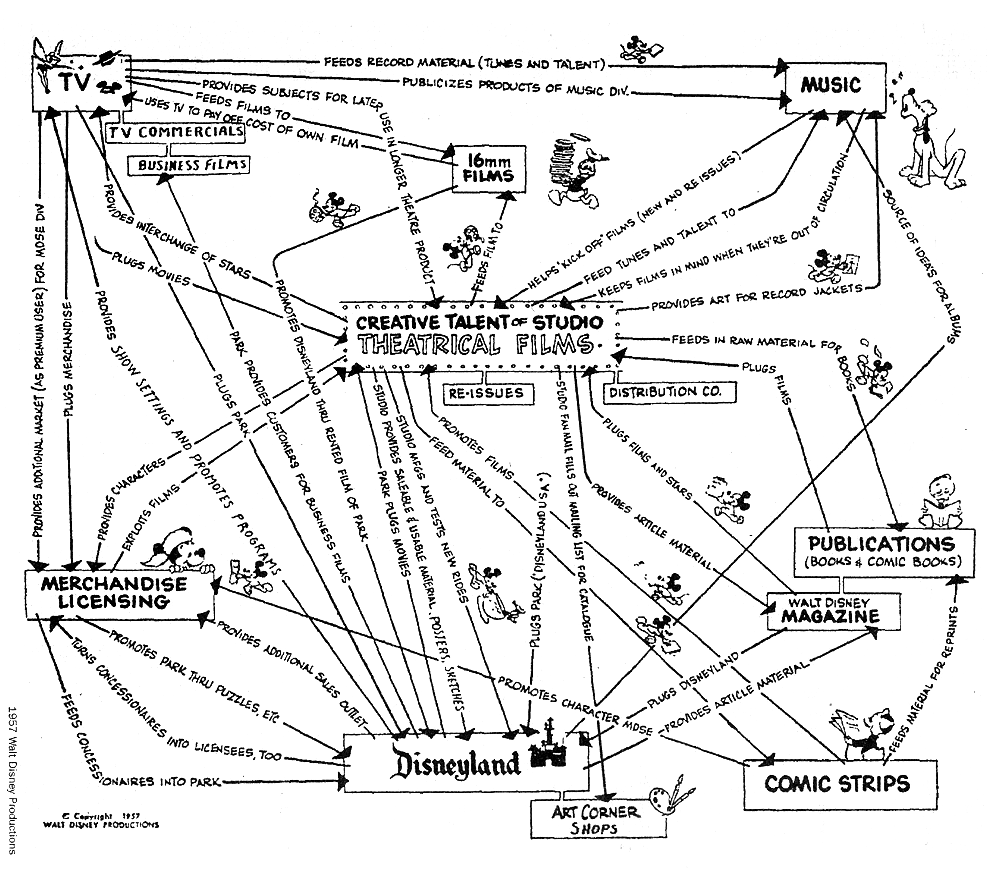
Today, we will talk about the flywheel effect.
 Philippe MEDA
This relentless vision of how each part of the business accrues value to other parts in an infinite loop is central to how powerful companies scale. It's also where startups that survive the initial contact with the market eventually struggle the most, as scaling innovation is vastly different than finding your first product-market fit.
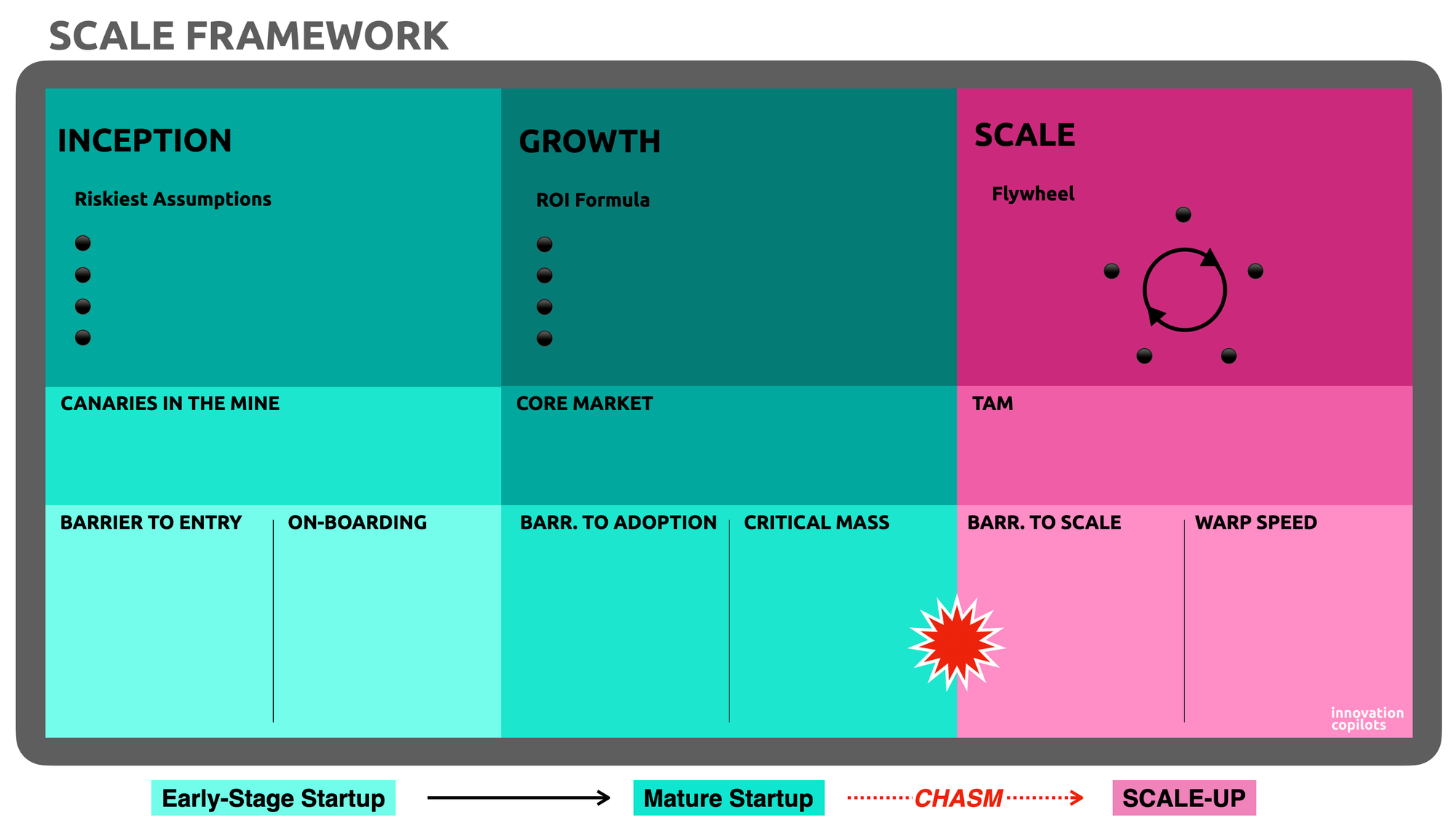
To understand this notion of scale and flywheel, if we go back to Disney, you could ask yourself this simple question: What new businesses could Disney grow or acquire to feed its flywheel?
Scott Galloway recently advocated for Disney to acquire Roblox (a gaming platform with >164 million monthly active users, including more than half of all American children under 16). Allowing Disney to grow in online gaming with a closed-garden platform would feed its other businesses while also boosting Roblox with fresh and highly proprietary Disney IPs such as Star Wars.
The case for online education could be made, too, as it would extend historical Disney activities to its base demographics (i.e., parents) and create some interesting new feedback loops. Restauration (outside the parks) or furnishing are other sectors that would further nurture and spread Disney's feedback loop. Although these are historically low-margin trades, the ability to create margins elsewhere in the vast matrix of activities is a key advantage for businesses growing through flywheel effects.
In all this, the core question is: what about you?
If you're a startup growing in your market, are you anticipating how to build your first flywheel effect? Or if you're a larger company, is there any sense that distinct business units could work together in a new form of synergy and unlock more recurring business, with the added side effect of higher margins?


