Tesla's toxic securitization

Killing Tesla softly
For Tesla, the revenue reality check is there. In 2025, 73% of Tesla’s $94.8 billion in revenue came from car sales – a business now in free fall (down 10% YoY, largely attributable to the rise of BYD and the unsufferable political views of Elon Musk). The remaining revenue streams (energy, services) are growing, but not enough to offset the decline.
So, during its last investor call, Elon Musk decided it would be great if Tesla actively dismantled its automotive legacy, killing off its flagship Model S and Model X to make room for (drumrolls) its Optimus humanoid robot and “Cybertrucks robot delivery vans.”
Don't get me wrong, I'm all in for killing legacy businesses and leapfrogging to new business paradigms, but here, we are in crazy land.
The AI and robotics mirage
Still, Elon Musk’s vision is that Tesla should reposition itself as an “AI and robotics leader,” betting everything on Full Self-Driving (FSD) subscriptions (now 1.1 million, up 38% QoQ) and the Optimus robot, which Musk claims will be mass-produced by 2027 – despite its current inability to operate autonomously in Tesla’s own factories.
Musk has been famously promising fully autonomous Teslas since 2016, yet FSD remains a supervised system (not true autonomy) which safety level remains unclear. And as for the “Gen 3” Optimus robot, hyped for Q1 2026, is another chapter in a decade-long pattern of overpromising and underdelivering on robotics and AI.
Sounds like Hyperloop all over again? In the nineties, this was called vaporware.
Subscription and financial alchemy
With all this, Tesla is also shifting FSD to a subscription-only model, mirroring the tech industry’s playbook: locking users into recurring payments rather than one-time sales. This seems mostly financial engineering for now, without any further tangible innovation roadmap.
This whole story clearly stems from the trillion-dollar pay package Musk is aiming for. This unprecedented payoff is tied to producing 1 million robots, 1 million robotaxis, and creating $7.5 trillion in shareholder value (a bet that assumes Tesla’s market cap will balloon to $2 trillion by 2035).
With the core car business shrinking, Musk clearly has an incentive to promise the moon and go full meme-stock mode, betting on the irrational trust of its investors, rather than the cold, hard reality of delivering on its promises.
Still, numbers are what they are. Tesla is spending $20 billion in 2026 (double its last year’s capex) on unproven ventures like Cybercab, Optimus, or lithium refineries. This seems to me less of a strategic capital allocation than a major poker bluff.
But that's not all.
Tesla also poured $2 billion into xAI, Musk's new AI startup. And why not? AI is the current mega-hype in the US tech world. Again, Musk is tying Tesla’s fate to Grok, a chatbot with no clear path to profitability, while distracting from the toxic core: a car business in decline and a robotics division that’s all hype.
Tesla's securitization...
Clearly, Musk intends to rebuild Tesla as a financial construct, repackaging its toxic assets into sexier and trendier narratives. It's toxic securitization 101: bundling risky bets into a story of “AI transformation” to keep investors hooked. The only question remaining is how long Musk's investors will drink the Kool-Aid?
But in this game, Musk has a major trump card to play: packaging SpaceX in the new bundle company.
All this smells of desperation, not innovation anymore.
Edit: 24h later, Musk moves on with his plan and creates the first bundle with SpaceX and xAI. Will he push on and try to bundle further on? We'll see. 🍿
 Loren Grush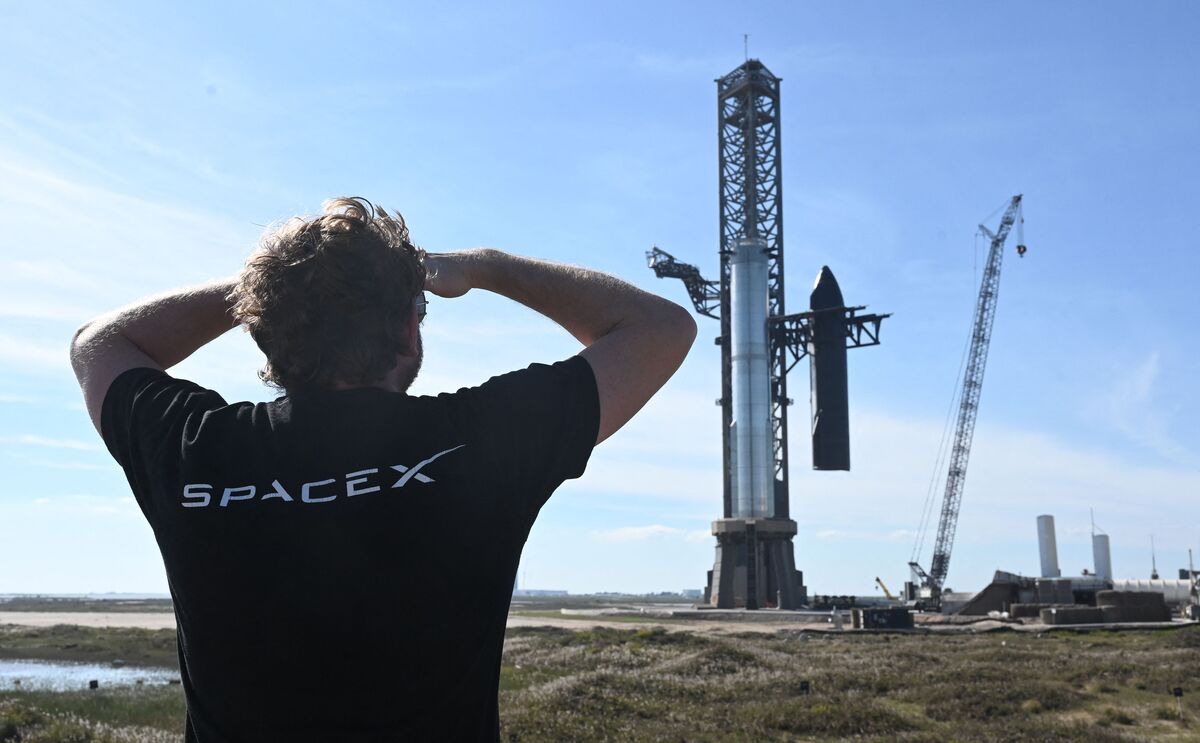
 Fred Lambert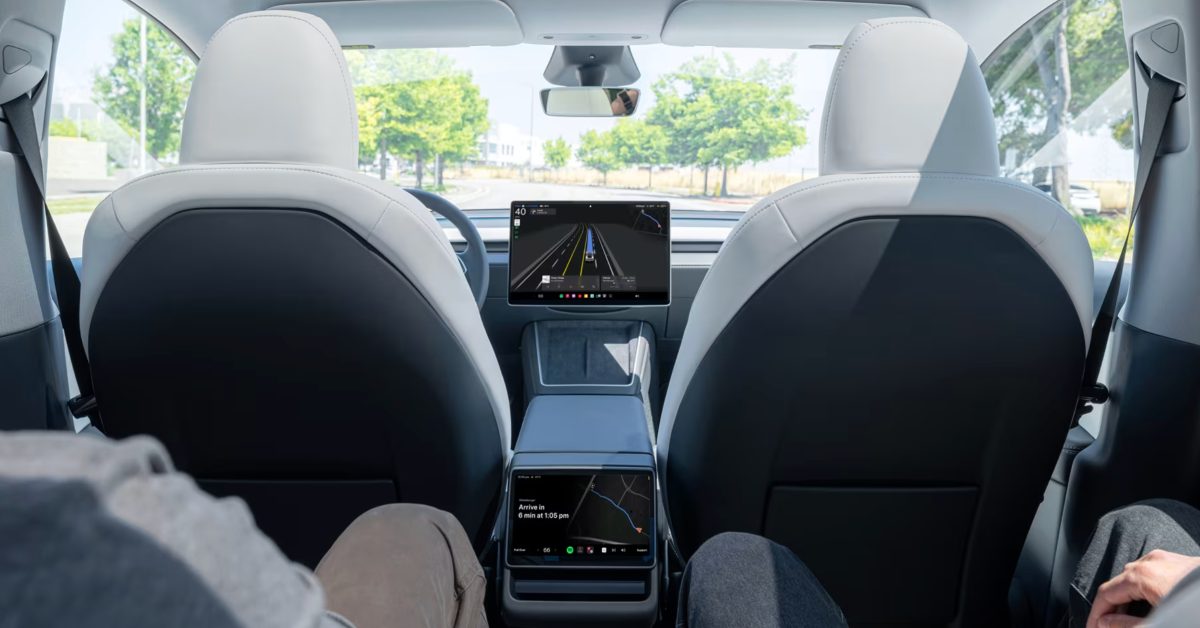
 Andrew J. Hawkins
 Richard Jia